Destinations

Let our advisors guide you in choosing the right travel insurance for these popular destinations.

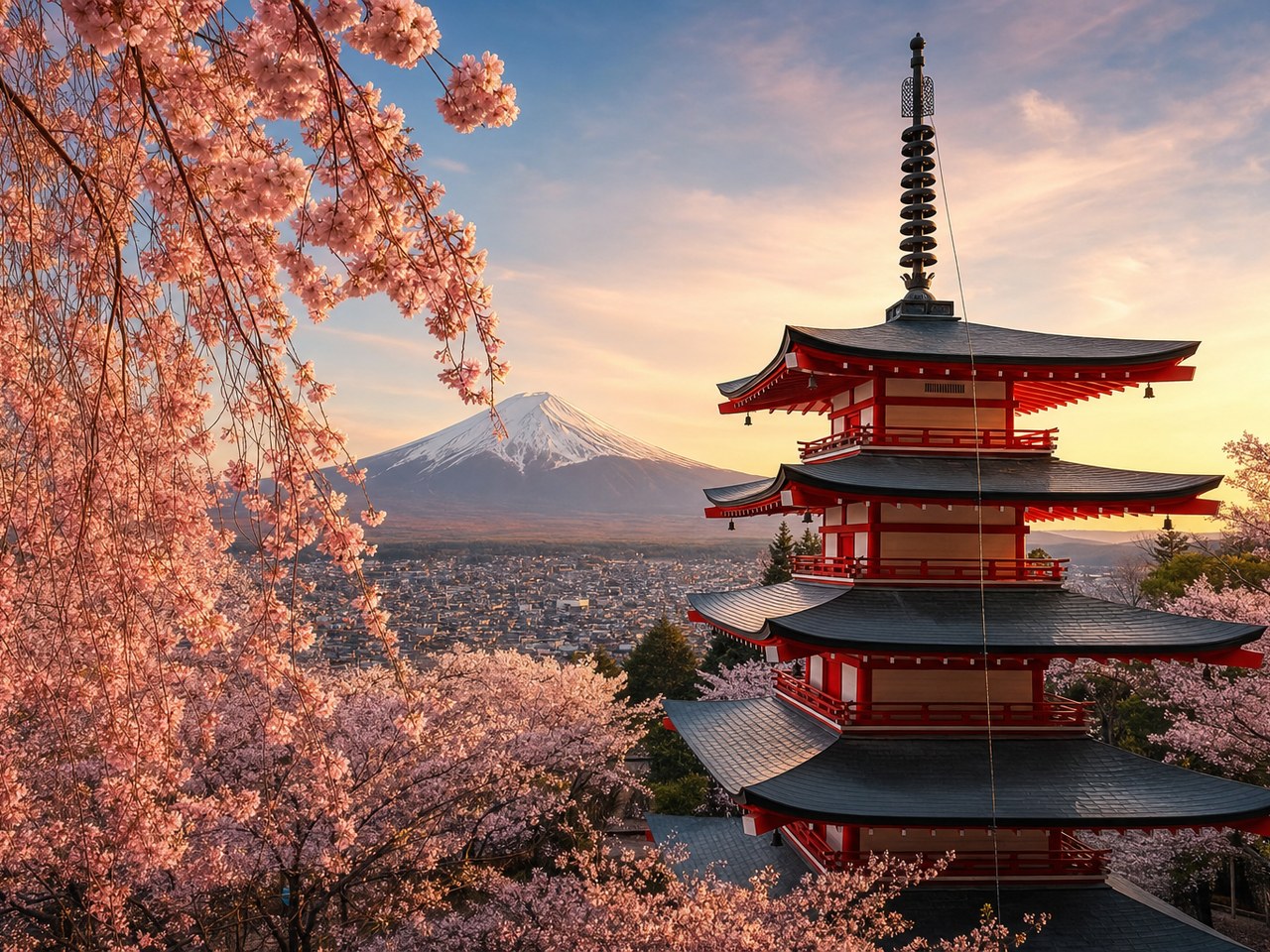
Traditional Japanese temple and pagoda with Mount Fuji in the background

Japan

With 7 direct flights a week between Montréal and Tokyo, Japan has become a favourite destination for Canadians. Japan is a unique blend of tradition and modernity. Visitors can explore ancient temples, take part in traditional tea ceremonies, and soak up the vibrant energy of cities like Tokyo and Osaka. Japan's rich culture, delicious cuisine, and warm hospitality make it a must-see for travellers seeking a deep and enriching experience. If you love adventure, climbing Mount Fuji during the official summer climbing season (July to early September) is an unforgettable experience not to be missed.

Recommended Plan

All-inclusive package offered by Allianz Global Assistance: emergency medical care, baggage, trip cancellation and interruption to cover your flight, prepaid Shinkansen tickets, or any other guided tour paid in advance.

Direct purchase (Allianz)
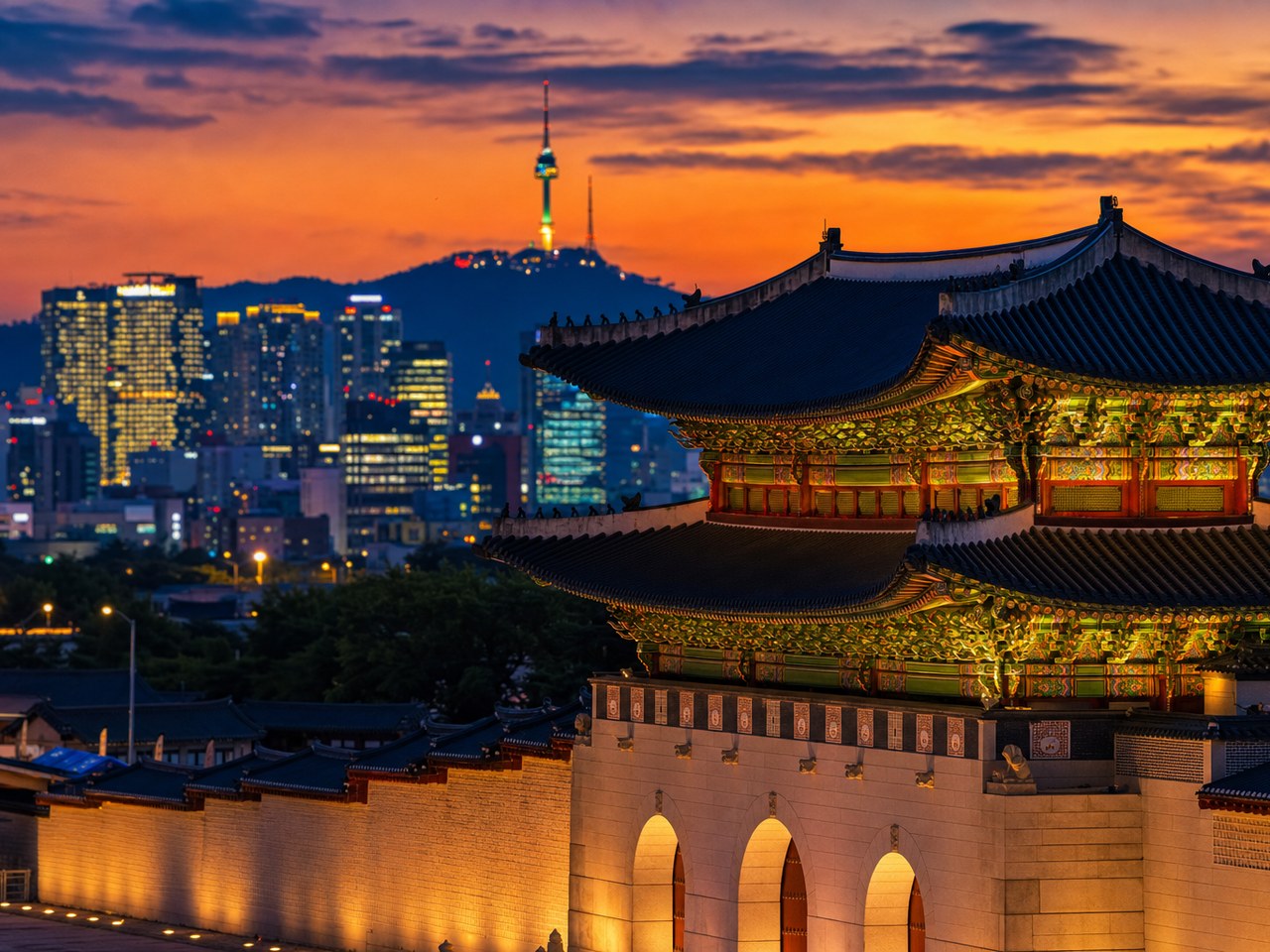
Seoul skyline with ancient palace rooftops and modern skyscrapers

Seoul, South Korea

Accessible by direct flight from Montréal or via a stopover in Tokyo, Seoul has become an accessible and popular destination. Fuelled by the meteoric global success of the 'Korean Wave' (K-pop, K-dramas, and beauty trends), its harmonious blend of ancient palaces and futuristic infrastructure, its vibrant street food and café culture, and its reputation for being incredibly safe, clean, and technologically advanced, South Korea has become a highly sought-after destination.

Medical Tourism Infrastructure

Clinics in Seoul's famous Gangnam district, dubbed the 'beauty belt,' are perfectly set up for international patients. Be aware, however: emergency medical travel insurance does not cover expenses related to cosmetic surgery or any complications that arise from it (infections, hemorrhaging, etc.).

Recommended Plan

All-inclusive package offered by Allianz Global Assistance.

Direct purchase (Allianz)

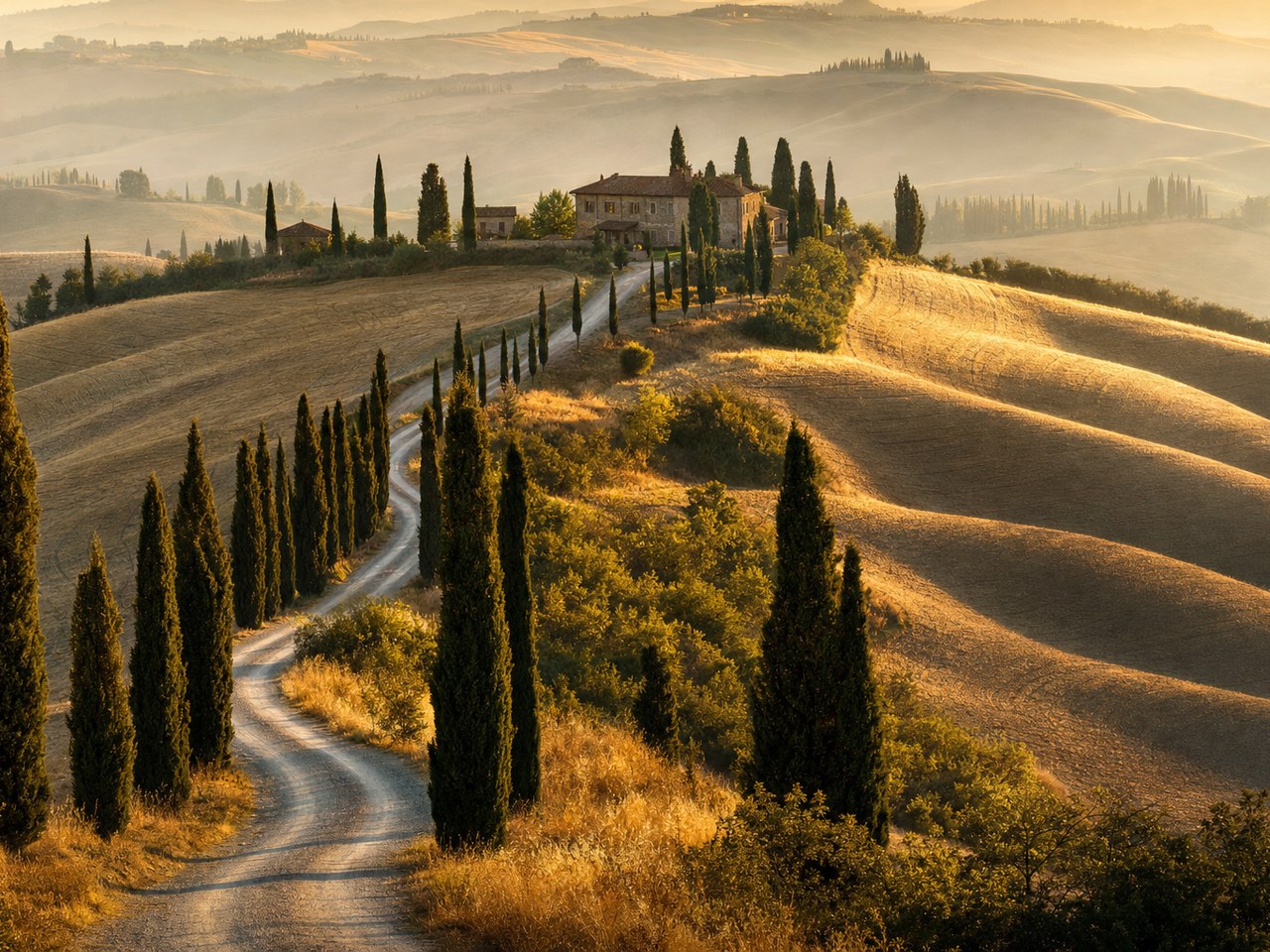
Rolling Tuscan vineyards with cypress trees and a hilltop village

The Tuscany Region, Italy

Tuscany is the romantic, idealized heart of Italy. Recognized worldwide as the birthplace of the Renaissance, it combines breathtaking medieval art, rolling vineyards that look like they're straight off a postcard, cypress-lined lanes, and a culinary and wine tradition that ranks among the finest in the world.

Exceptional Gastronomy and Wines

Tuscany produces some of the world's most acclaimed wines. You can visit vineyards in the Chianti Classico region or discover the hilltop village of Montepulciano and savour the legendary Vino Nobile. Beyond major cities like Florence and Siena, Tuscany is famous for its fortified hilltop villages, such as San Gimignano and Lucca. Staying at a traditional agriturismo lets visitors fully immerse themselves in the peaceful, idyllic rhythm of Italian life.

Recommended Plan

All-inclusive package offered by TuGo: emergency medical care, baggage, trip cancellation and interruption to cover your flight, guided tours, and prepaid agriturismo bookings. Also available exclusively through TuGo: rental car insurance, with coverage up to $75,000 at a fraction of the price offered by car rental agencies. TuGo's rental car insurance replaces the collision damage waiver (CDW) or loss damage waiver (LDW) offered by rental agencies.

Direct purchase (TuGo)

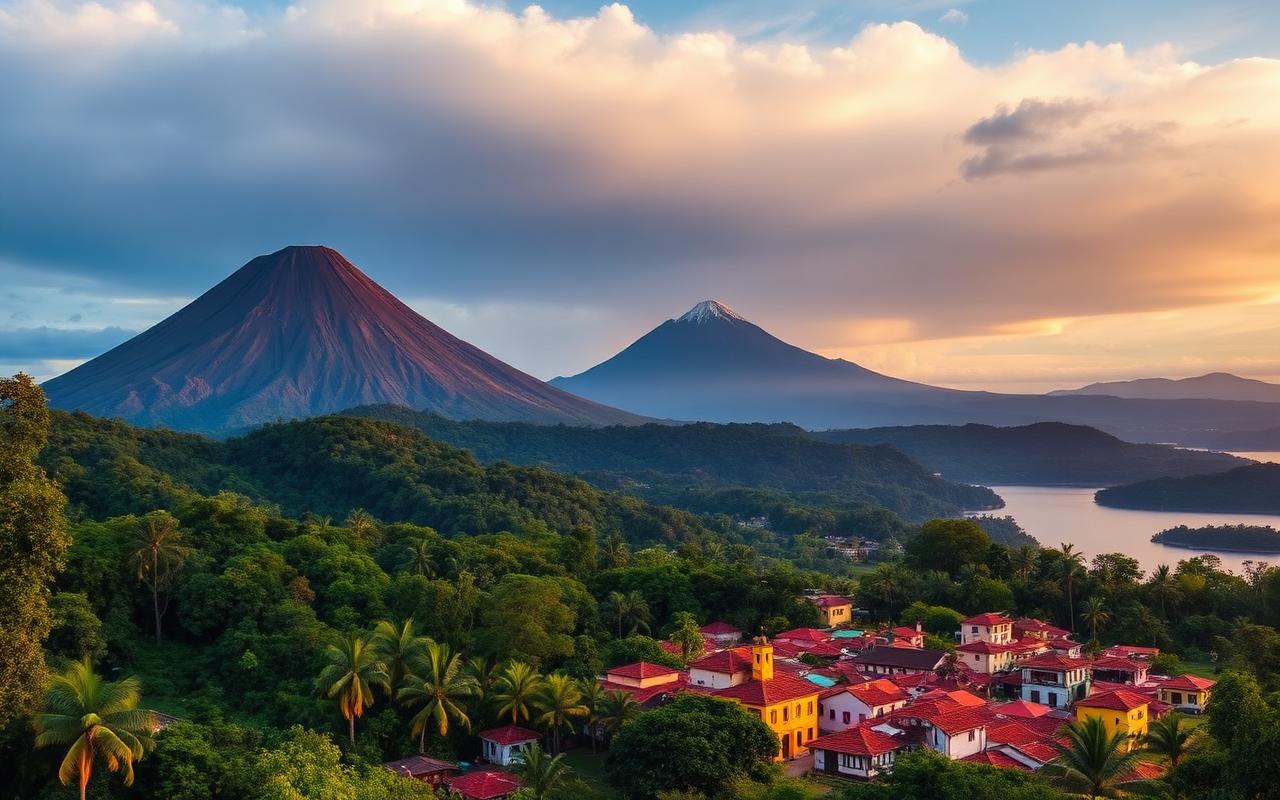
Central American volcano landscape with a colonial town and tropical lake

Central America (Guatemala, Nicaragua, and El Salvador)

Just a few hours' flight from Montréal, Central America generally falls into two budget categories. On the pricier side: Costa Rica, Panama, and Belize; great value (popular backpacker destinations): Guatemala, Nicaragua, and El Salvador. In these three countries, you can easily get by on CA$30 a day by staying in hostels, eating local street food, and using public transit. Together they form a beautiful Central American triangle, rich in active volcanoes, colonial history, indigenous culture, and spectacular lakes. Guatemala offers deep Mayan roots and lively highland markets, Nicaragua boasts unspoiled nature, and El Salvador is known for its world-famous surf spots and rapid modernization.

Recommended Plan

Young Traveller all-inclusive package offered by Allianz Global Assistance at a very competitive price for young backpackers under 30 (Canadian residents). Includes emergency medical care, baggage, trip cancellation, interruption, and delay.

Direct purchase (Allianz)

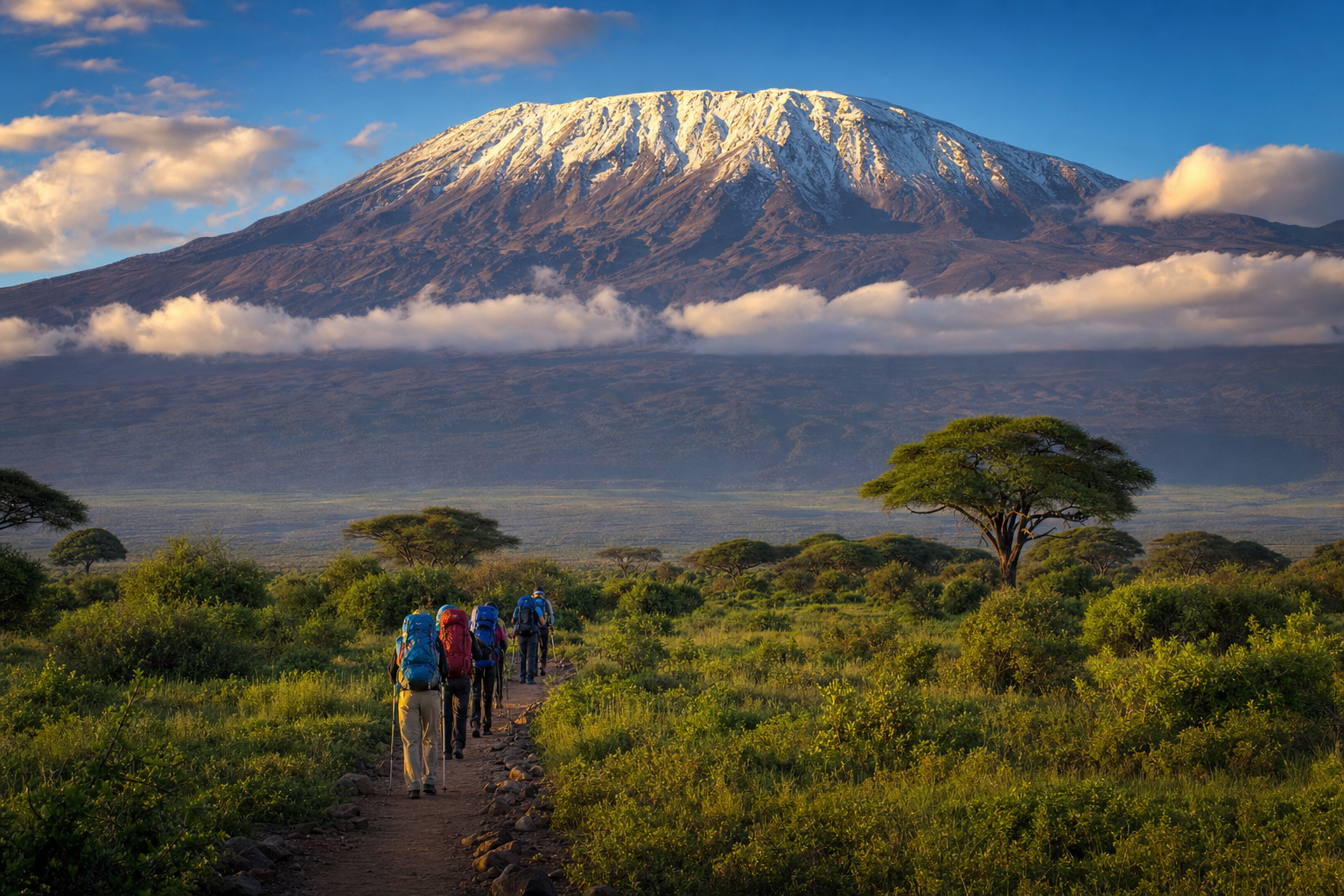
Trekkers on the trail below the snow-capped summit of Mount Kilimanjaro at sunrise

Kilimanjaro, Tanzania

Getting there: No direct flights from Montréal — most climbers connect through Amsterdam, Doha, or Nairobi to Kilimanjaro International Airport (JRO), roughly 15–18 hours of total travel.

Rising alone from the Tanzanian savanna without a single foothill to soften its silhouette, Mount Kilimanjaro is the tallest mountain in Africa and the highest free-standing peak on Earth, topping out at 5,895 metres above sea level at Uhuru Peak. Unlike Everest or Denali, no ropes, crampons, or technical climbing experience are required on the standard "tourist routes" — which is exactly why an estimated 35,000 to 40,000 people attempt the summit every year. Trekkers choose among seven established routes — Marangu, Machame, Lemosho, Rongai, and others — typically spending five to nine days moving through five distinct climate zones, from lush rainforest and open moorland to alpine desert and, finally, an arctic-like summit crowned in glacial ice. The best conditions fall during Tanzania's two dry seasons, from late December to mid-March and from June to October, when trails are firmer and summit success rates climb as high as 85–95% on well-paced itineraries.

The real risk isn't the climb — it's the altitude

Because Kilimanjaro can be reached without ropes or technical skill, many travellers underestimate it. The real danger is elevation gained faster than the body can adapt. Studies following climbers on the mountain have found that 70% experience at least one symptom of altitude illness — headache, nausea, vomiting, or loss of appetite — and that acute mountain sickness affects roughly half of all trekkers on standard five- to six-day ascents. In more serious cases, high-altitude pulmonary or cerebral edema can require urgent descent, oxygen, or medical evacuation. Roughly 10 tourist deaths are reported on Kilimanjaro each year, the large majority linked to altitude illness rather than falls or technical mishaps. This is precisely the kind of exposure a standard emergency medical policy is not designed to absorb on its own.

Recommended Plan

All-inclusive package offered by TuGo, combining emergency medical care, baggage, and trip cancellation and interruption — enough to cover your flights, park permits, and prepaid guided trek package if illness, injury, or a cancelled trip gets in the way.

But here's what most travellers miss: every TuGo policy specifically excludes claims arising from mountaineering "for training, participation, or practice purposes" unless you've paid the applicable supplementary premium for optional Sports and Activities coverage. Because Kilimanjaro's summit sits at 5,895 metres — just under the 6,000-metre threshold — it falls under TuGo's "Mountaineering up to 6,000 metres" category, which specifically includes high-altitude ski touring and is triggered by the use of specialized equipment such as ice axes, crampons, or fixed-line/top-rope gear. Without selecting this option at the time of application, a medical emergency tied to your climb — including altitude sickness requiring hospitalization — would not be covered by the base emergency medical plan.

Once selected, the optional coverage pays usual and reasonable medical expenses up to your policy's regular limit for emergencies arising during the climb, and it doesn't reduce or share the base plan's overall maximum. TuGo's emergency medical benefit also already includes remote-area evacuation coverage of up to $6,000 for professional non-medical rescue in isolated terrain — including mountain search and rescue — which can be critical if you need to be brought down from high camp before a medical evacuation flight can be organized.

Direct purchase (TuGo)

Coverage details summarized from TuGo's Voyageur travel insurance policy wording (June 2026 edition), sections "Sports and Activities Coverage," "Emergency Air Transportation," and "General Exclusions." Always confirm your specific route and elevation profile with your advisor before departure, and read your policy wording in full.

Another destination in mind?

Our advisors can help you compare the best packages for any destination.