
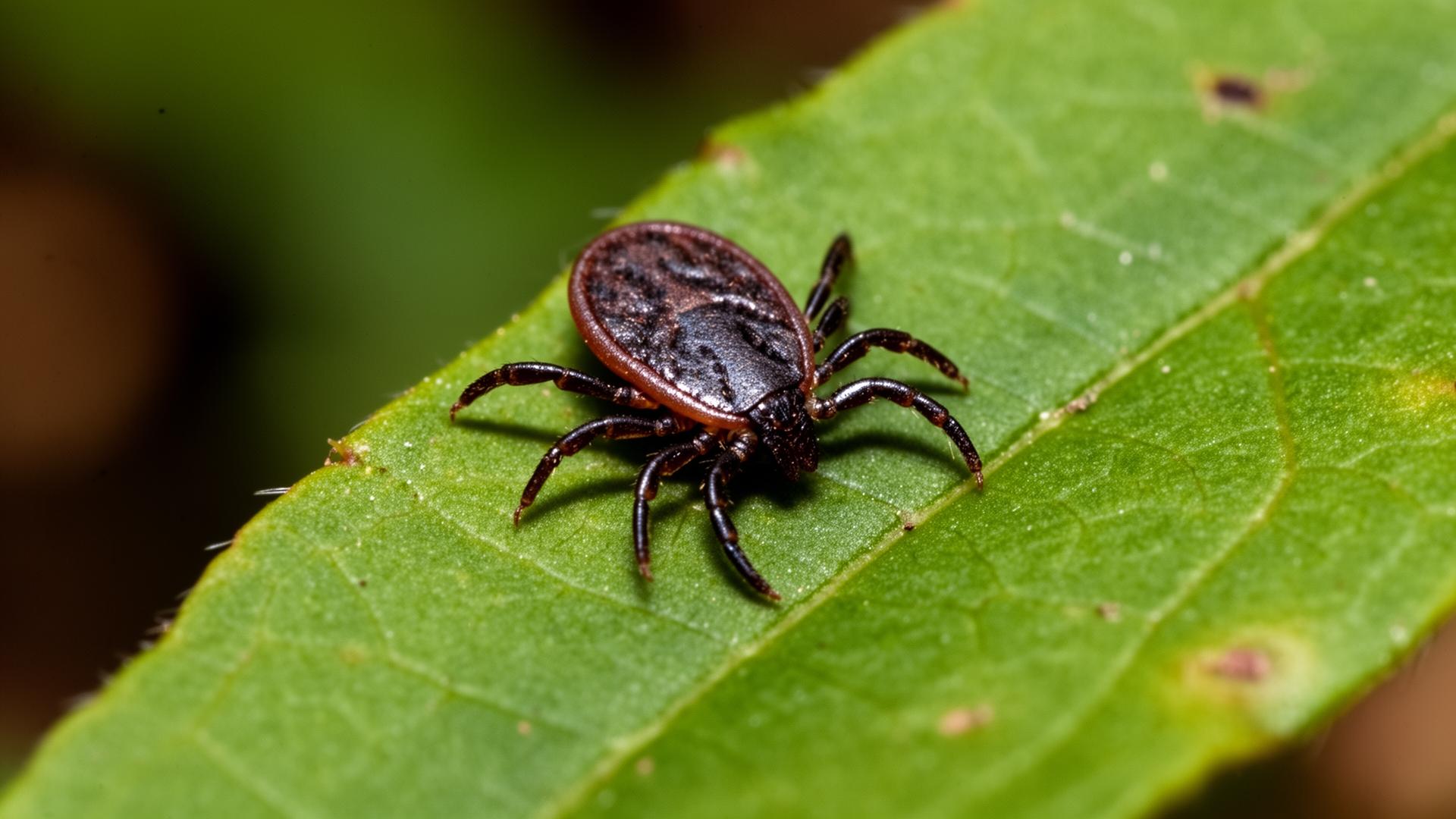
Planning a hike in the Adirondacks, camping in the Smoky Mountains or a getaway in New England? Ticks are among the most common — and most underestimated — health risks for Canadian travellers in the United States. In 2026, CDC data confirm that ER visits for tick bites are higher than normal, including cases of Lyme disease, Rocky Mountain spotted fever and alpha-gal syndrome. The good news: your travel insurance can protect you. But you still need to understand what it covers.
Why are ticks a risk in the United States?
Ticks found in the United States can transmit at least 15 different diseases to humans. Contrary to what many travellers think, the risk isn't limited to remote rural areas. National parks, wooded suburbs, golf courses, hiking trails and even some public gardens can harbour ticks carrying infectious agents. Public health authorities confirm Lyme disease as a specific risk for travellers heading to the United States.
The diseases to know about before you go
Not all tick bites are equal. Depending on the region you visit and the type of tick, the risks vary. Here are the main diseases to know about:
- Lyme disease — The most common. It often shows up as a target-shaped rash around the bite, followed by flu-like symptoms. Left untreated, it can cause lasting joint and neurological complications.
- Anaplasmosis and ehrlichiosis — Bacterial infections that are quickly treatable if diagnosed in time.
- Babesiosis — A parasitic infection similar to malaria, more common in the U.S. northeast.
- Rocky Mountain spotted fever — Potentially fatal if not treated within the first 48 hours.
- Powassan virus — Rare, but serious, with few available treatments.
- Alpha-gal syndrome — A red-meat allergy triggered by a tick bite; diagnosed more often in U.S. emergency rooms.
Travel insurance and tick bites: what's usually covered
For a Canadian traveller, medical costs in the United States can reach tens of thousands of dollars. An ER visit, blood work and a few days in hospital can quickly exceed US$50,000. That's precisely why the Government of Canada strongly recommends taking out travel insurance before every trip, even for a single day abroad.
Travel insurance with emergency medical coverage can cover:
- The emergency medical consultation after a tick bite
- Lab tests (Lyme disease screening, etc.)
- Prescribed medications (e.g. doxycycline)
- Hospitalization if your condition worsens
- Medical evacuation by helicopter or repatriation to Canada
Important: Lyme disease symptoms can appear 3 to 30 days after the bite, sometimes after you return to Canada. Some policies cover care started abroad, but the details vary from one insurer to the next. It's essential to check the conditions before you go.
What your insurance might NOT cover
Some situations can complicate or void a claim. In insurance, the concept of reasonable precaution is central. It's important to understand the potential limits:
- Lack of basic precautions (refusing to use repellent, ignoring warnings about high-risk areas)
- Symptoms that appear after an uncovered waiting period
- Pre-existing chronic illnesses that complicate treatment of a tick-borne infection
- Long-term follow-up treatment after your return (e.g. extended Lyme disease treatment)
A travel insurance broker can help you compare policies and choose the one that offers the best coverage for your activities and your health.
How to prevent a tick bite while travelling
Prevention is still your first line of defence. The Government of Canada recommends several practical measures to reduce the risk during outdoor activities.
Before you go
- Treat your clothing and gear with permethrin
- Bring a repellent with at least 20% DEET
- Pack a pair of fine-tipped tweezers in your travel kit
While you're there
- Wear long, light-coloured clothing, with pants tucked into your socks in the woods
- Stay on marked trails, away from tall grass and bushes
- Do a full body check after every outing
When you get back
- Put your clothes in the dryer on high heat for at least an hour
- Also check your children and pets
What to do if you're bitten
Acting quickly makes a real difference. Here are the steps recommended by the CDC:
- Remove the tick with fine-tipped tweezers, as close to the skin as possible, pulling gently upward without twisting.
- Clean the area with rubbing alcohol or soap and water.
- Photograph the tick and note the date, time and where you were.
- Watch for symptoms for 30 days: an expanding rash, fever, fatigue, joint pain.
- See a doctor at the first sign of any symptom and mention your trip.
Tips to make your insurance claim easier
If you have to make a claim after a tick bite, here's how to maximize your chances of being reimbursed:
- Call your insurer's assistance line before incurring major costs — many policies require it
- Keep all receipts, medical reports and prescriptions in both original and digital form
- Keep the photo of the tick and the bite site
- Note exactly where and when the bite happened
- If symptoms appear after you return to Canada, see a doctor quickly and report the connection to your trip
Travel protected with Ehcover
A tick bite can turn a memorable trip into a medical and financial nightmare — especially in the United States, where health care costs are among the highest in the world. By choosing the right travel insurance before you go, you travel with peace of mind, whether it's for a weekend in New York or a week of hiking in Virginia.
Get a free quote in under 2 minutes on Ehcover.ca. Our advisors compare the best policies on the market to give you coverage tailored to your trip and your activities.
Discover Allianz Global Assistance plans for your trips to the United States →